
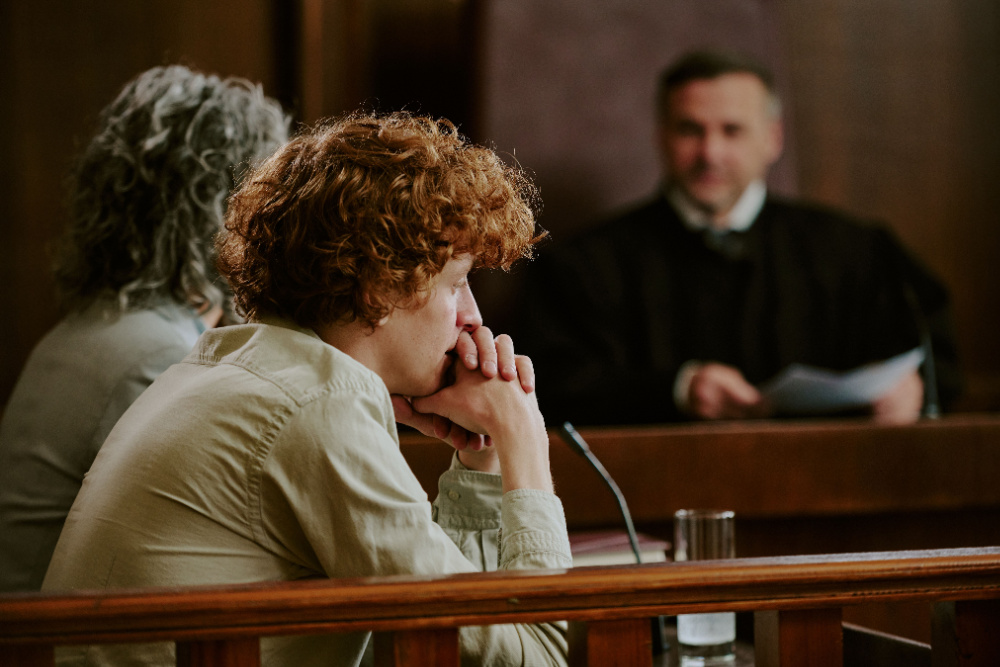
In litigation, credibility can determine the outcome of a case. Jurors, judges, and arbitrators are constantly evaluating whether witnesses appear trustworthy, consistent, and believable. One of the most effective tools attorneys use to challenge credibility is impeachment evidence—particularly video impeachment evidence. While written transcripts remain essential, video adds a level of impact that words on a page simply cannot replicate. Seeing a witness contradict prior testimony in their own voice, with their own facial expressions and demeanor, can dramatically influence how testimony is perceived.
As legal videography becomes increasingly integrated into litigation strategy, understanding the power of video impeachment evidence is essential for law firms handling depositions, trials, arbitrations, and high-stakes disputes.
What Is Video Impeachment Evidence?
Video impeachment evidence refers to recorded testimony or statements used to challenge a witness’s credibility during litigation. Most commonly, this involves video clips from depositions that are later presented at trial when a witness gives testimony inconsistent with what they previously stated under oath.
Unlike a transcript alone, video captures:
- Facial expressions
- Tone of voice
- Hesitation or confidence
- Body language
- Emotional reactions
These visual and auditory details create a much stronger impression on jurors and judges. A witness may attempt to explain away inconsistencies verbally, but seeing the contradiction unfold on screen often carries far greater persuasive power.
Why Video Is More Persuasive Than Text Alone
Humans process visual information differently from written information. Jurors tend to retain more information when they both see and hear it, especially when emotional or credibility-related factors are involved.
A transcript can show what was said, but it cannot fully communicate how it was said. For example, a witness who appears evasive, uncertain, or visibly uncomfortable during a deposition may appear entirely different at trial. Video allows attorneys to preserve the original demeanor and present it directly to the jury.
This can be particularly effective when:
- A witness changes their story
- A corporate representative minimizes prior statements
- An expert witness contradicts earlier opinions
- A party attempts to appear more confident or sympathetic at trial
The contrast between the deposition and live testimony can significantly influence credibility assessments.
Strengthening Cross-Examination Strategy
Video impeachment evidence is one of the most effective tools during cross-examination. Attorneys can strategically present short video clips that directly contradict a witness’s current testimony, forcing the witness to explain the inconsistency in real time.
This approach is powerful because it removes ambiguity. Rather than debating interpretations of transcript language, the jury sees and hears the witness’s original statement exactly as it occurred. This clarity strengthens the attorney’s position and limits the witness’s opportunities to reinterpret or minimize prior testimony.
The Impact on Jury Perception
Jurors pay close attention to witness behavior. They observe confidence levels, eye contact, tone, and emotional reactions when deciding whom to trust. Video impeachment evidence allows jurors to compare a witness’s demeanor across different moments in the case.
For example, a witness who appeared uncertain and defensive during a deposition but suddenly confident at trial may raise suspicion. Likewise, a corporate executive who gave dismissive or contradictory answers on video may lose credibility even if their trial testimony appears polished.
Video creates a direct emotional and psychological connection with jurors that written records rarely achieve. It transforms testimony from abstract text into a human interaction that the jury can evaluate firsthand.
Why Legal Videography Quality Matters
The effectiveness of video impeachment evidence depends heavily on the quality of the recording. Poor lighting, distorted audio, unstable framing, or amateur recording methods can reduce the impact of testimony and distract jurors.
Professional legal videography ensures:
- Clear, admissible recordings
- High-quality audio for accurate playback
- Stable framing focused on the witness
- Proper timestamping and identification
- Compliance with legal standards and chain-of-custody requirements
Certified legal videographers understand courtroom expectations and record proceedings in ways designed specifically for later litigation use.
Synchronizing Video With Transcripts
Modern litigation support technology allows attorneys to synchronize deposition video with the official transcript. This integration makes it easier to locate key testimony, prepare impeachment clips, and present evidence seamlessly at trial.
Synchronized video-transcript systems allow attorneys to:
- Search testimony by keyword
- Instantly jump to corresponding video segments
- Highlight key statements for presentation
- Prepare concise impeachment clips efficiently
This combination of text and video streamlines trial preparation and strengthens courtroom presentations.
Video Impeachment in High-Stakes Cases
Video impeachment evidence is especially valuable in complex or high-stakes litigation where credibility is central to the case outcome. This includes:
- Medical malpractice cases
- Employment disputes
- Commercial litigation
- Intellectual property disputes
- Product liability claims
- Corporate fraud investigations
In these cases, witness credibility often becomes just as important as documentary evidence. Video allows attorneys to expose inconsistencies in a way that resonates with judges and jurors alike.
Ethical and Procedural Considerations
While video impeachment evidence is powerful, it must be obtained and used properly. Attorneys must comply with procedural rules regarding notice, recording, and admissibility. Improperly recorded depositions or edited clips may face objections or be excluded.
Professional litigation support providers help ensure compliance by:
- Following jurisdictional recording standards
- Maintaining secure chain-of-custody procedures
- Providing certified recordings
- Ensuring transcript accuracy and synchronization
Proper handling preserves the integrity of the evidence and prevents challenges during trial.
Remote Depositions and Video Evidence
As remote depositions become more common, video impeachment evidence is increasingly prevalent. Remote proceedings are routinely recorded, creating opportunities to preserve testimony from witnesses located across different jurisdictions.
However, remote recordings require careful management to ensure quality and admissibility. Technical issues such as poor internet connections or audio lag can affect the effectiveness of the recording. Professional support teams help mitigate these risks and ensure that remote video testimony remains clear and usable in court.
The Role of Renzi Legal Resources
Renzi Legal Resources provides professional legal videography services designed to support modern litigation strategies. From high-definition deposition recording to synchronized transcript integration, Renzi ensures that video impeachment evidence is captured accurately, securely, and in compliance with legal standards.
By combining certified court reporters, experienced videographers, and advanced litigation technology, Renzi helps legal teams preserve critical testimony and present it effectively when credibility matters most.
Conclusion: Video Changes How Testimony Is Experienced
Video impeachment evidence has transformed the way attorneys challenge credibility in the courtroom. By allowing jurors to see and hear inconsistencies directly from the witness, video creates an impact that transcripts alone cannot match.
As litigation becomes increasingly visual and technology-driven, professional legal videography is no longer just an added service—it is a strategic litigation tool. Law firms that effectively integrate video impeachment evidence into their trial preparation gain a significant advantage when credibility becomes the battleground.
FAQ
What is the main advantage of video impeachment evidence?
It allows jurors to see and hear witness inconsistencies directly, making credibility challenges more persuasive than relying on transcripts alone.
Can remote depositions be used for video impeachment?
Yes. Remote depositions can be recorded and used for impeachment, provided they meet procedural and admissibility requirements.
Why is professional legal videography important?
Professional videography ensures clear audio, proper framing, compliance with admissibility requirements, and reliable preservation of testimony.