
Legal proceedings rely on accurate records, credible evidence, and clear communication. While certified transcripts remain the official written record of depositions, hearings, and other legal proceedings, video has become an equally valuable component of modern litigation. Certified legal videography captures not only the words spoken but also the witness’s demeanor, body language, tone, and other non-verbal cues that can significantly influence how testimony is understood. As more law firms incorporate multimedia into their litigation strategies, understanding the role of certified legal videography has become increasingly important.
Whether preparing for trial, preserving testimony, or presenting evidence to a jury, legal teams benefit from working with certified legal videographers who understand both the technical and procedural requirements of the legal system. This guide explains what certified legal videography is, why it matters, and what attorneys should expect from a professional litigation support partner.
What Is Certified Legal Videography?
Certified legal videography is the professional recording of legal proceedings by videographers who have specialized training in legal protocols, courtroom procedures, and evidence preservation. Unlike ordinary video production, legal videography follows strict standards designed to ensure recordings are accurate, impartial, and admissible in court.
Certified legal videographers document depositions, witness interviews, independent medical examinations, arbitrations, and other legal proceedings using professional-grade equipment and standardized recording practices. Their role is not simply to operate a camera but to preserve testimony in a manner that meets legal requirements while creating a reliable visual record that attorneys can confidently use throughout litigation.
Why Video Has Become Essential in Modern Litigation
The legal profession has increasingly embraced video because it preserves information that transcripts alone cannot capture. While a written transcript accurately documents spoken testimony, it does not record facial expressions, gestures, eye contact, pauses, or other visual cues that often influence credibility.
Jurors and judges naturally evaluate how testimony is delivered as well as what is said. A witness who appears uncertain, evasive, confident, or emotional may leave a lasting impression that cannot be conveyed through text alone. Video preserves these important details, allowing attorneys to present testimony more effectively during trial or settlement discussions.
As remote proceedings and digital courtrooms continue to expand, professionally recorded video has become an even more valuable litigation tool.
What Makes a Legal Videographer “Certified”?
Certification demonstrates that a legal videographer has received specialized education in recording legal proceedings according to accepted professional standards. Certified legal videographers understand the rules governing courtroom evidence, deposition procedures, and chain-of-custody requirements.
A qualified legal videographer knows how to:
- Properly identify all participants on the record
- Follow jurisdiction-specific recording procedures
- Produce clear, uninterrupted video and audio
- Maintain neutrality throughout the proceeding
- Preserve recordings securely for future use
- Coordinate with court reporters and attorneys
This specialized knowledge distinguishes certified legal videographers from general video professionals and helps ensure that recordings remain reliable and admissible.
Professional Equipment Makes a Difference
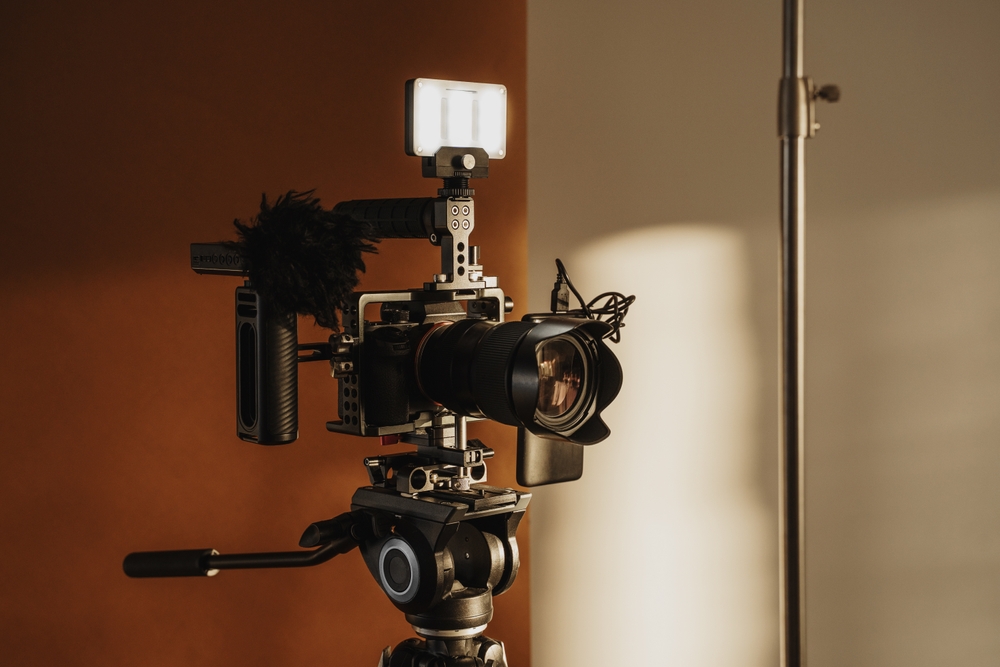
The quality of a legal video depends heavily on the equipment used and the expertise of the person operating it. Professional legal videographers use high-definition cameras, sensitive microphones, proper lighting, and recording systems designed specifically for legal proceedings.
High-quality equipment helps ensure:
- Sharp, clear video
- Consistent audio quality
- Minimal background noise
- Accurate timestamping
- Reliable recording backups
Poor-quality recordings can distract viewers, make testimony difficult to follow, and potentially reduce the effectiveness of the evidence. Investing in professional videography helps protect the value of the recorded testimony.
Supporting Stronger Trial Presentations
One of the greatest advantages of certified legal videography is its ability to strengthen trial presentations. Video testimony allows jurors to see and hear witnesses directly, creating a more engaging experience than reading transcript excerpts aloud.
Attorneys frequently use video to:
- Present unavailable witnesses
- Highlight key deposition testimony
- Challenge inconsistent statements
- Explain technical concepts through demonstrations
- Preserve expert testimony for later presentation
Visual evidence often leaves a stronger impression because it combines verbal testimony with non-verbal communication, making important moments easier for jurors to remember.
Enhancing Witness Credibility Assessments
Witness credibility plays a central role in many legal disputes. Judges and juries naturally evaluate a witness’s confidence, consistency, and demeanor when determining how much weight to give their testimony.
Certified legal videography captures:
- Facial expressions
- Body language
- Eye movement
- Tone of voice
- Emotional responses
- Physical demonstrations
These observations help legal teams evaluate witness performance and prepare more effective litigation strategies. When testimony becomes contested, video provides valuable context that a transcript alone cannot provide.
Video and Transcripts Work Better Together
Legal videography is most effective when combined with certified court reporting. Rather than replacing the transcript, video complements it by creating a complete record of the proceeding.
Modern litigation technology allows attorneys to synchronize video with the certified transcript. This enables legal teams to:
- Search testimony by keyword
- Instantly locate corresponding video clips
- Prepare impeachment evidence efficiently
- Organize testimony for trial presentations
- Share important testimony with co-counsel
This integration streamlines case preparation while making it easier to review lengthy depositions.
Certified Legal Videography Supports Remote Proceedings
Remote depositions have become a standard part of litigation, making professional legal videography even more valuable. Recording remote testimony requires careful attention to video quality, participant identification, audio clarity, and technical reliability.
Certified legal videographers help ensure that remote proceedings maintain the same professional standards as in-person depositions. They coordinate with court reporters, monitor recording quality, troubleshoot technical issues, and preserve the integrity of the video record throughout the proceeding.
This level of oversight helps attorneys avoid technical problems that could compromise important testimony.
Choosing the Right Litigation Support Partner
Selecting the right legal videography provider involves more than finding someone with a camera. Attorneys should look for providers that offer integrated litigation support and understand the unique demands of legal proceedings.
When evaluating a provider, consider whether they offer:
- Certified legal videographers
- Coordination with certified court reporters
- High-definition recording equipment
- Transcript-video synchronization
- Secure digital delivery
- Remote deposition support
- Nationwide scheduling capabilities
Working with a provider that offers comprehensive litigation support simplifies coordination and ensures every aspect of the proceeding is handled professionally.
How Renzi Legal Resources Supports Legal Videography
Renzi Legal Resources provides certified legal videography as part of a full suite of litigation support services designed to help legal professionals work more efficiently and effectively. By combining experienced videographers, certified court reporters, remote deposition technology, interpreter coordination, and secure digital repositories, Renzi delivers a seamless experience from scheduling through final delivery.
Whether your case involves expert witnesses, complex commercial litigation, medical testimony, or high-profile depositions, Renzi’s team ensures every recording is produced according to professional legal standards while preserving the complete visual and verbal record.
Conclusion
Certified legal videography has become an indispensable resource for modern litigation. By preserving not only what witnesses say but also how they say it, professional video recordings provide attorneys with a richer, more persuasive record than transcripts or audio alone can offer. From strengthening impeachment strategies and improving jury engagement to preserving testimony for unavailable witnesses, legal videography enhances nearly every stage of case preparation.
Choosing an experienced litigation support provider is just as important as choosing the right legal strategy. Renzi Legal Resources combines certified legal videography with comprehensive court reporting and litigation support services to help legal teams preserve testimony accurately, present evidence effectively, and move cases forward with confidence. Contact Renzi Legal Resources today to learn how certified legal videography can strengthen your next deposition or legal proceeding.
FAQ
Is certified legal videography required for every deposition?
No. While many depositions are recorded using transcripts alone, certified legal videography is highly recommended when witness credibility, expert testimony, or future trial presentation may be important.
Can legal video be used together with the official transcript?
Yes. Professional legal video can be synchronized with the certified transcript, allowing attorneys to quickly locate testimony and present corresponding video clips during trial preparation or courtroom proceedings.
Why should attorneys choose a certified legal videographer instead of a standard videographer?
Certified legal videographers understand legal procedures, evidence preservation requirements, and recording standards that help ensure the video is accurate, professional, and suitable for use in litigation.